
If you're in your 50s or early 60s, your body may have already made the decision your denial letter refuses to accept. You can't lift like you used to. Standing at a bench, driving a route, climbing stairs, kneeling, reaching overhead, or staying on task through pain isn't realistic anymore. Then Social Security sends a denial, and it feels like the system ignored everything.
Wondering what your claim could be worth? Try our free SSDI benefits calculator.
That denial is serious, but it isn't final. For many workers with degenerative disc disease, knee damage, neck problems, neurological disease, cancer treatment, or heart conditions, the appeal is where the core case gets built. That's where an experienced ssdi appeal attorney stops treating your claim like a stack of forms and starts treating it like a case that has to be proven.
Your SSDI Claim Was Denied What Happens Now

The denial letter usually arrives after months of trying to keep life together. A 58-year-old warehouse worker with degenerative disc disease reads that notice and hears one message: Social Security believes he can still work. Yet he already knows what happens after twenty minutes of lifting, bending, or standing. The pain spikes, the numbness starts, and the workday falls apart.
A denial is a setback, not the end of the case.
At the initial level, Social Security often reviews a file on paper with limited context about how symptoms affect real work. Appeals give you a chance to correct that record. Medical evidence can be updated. Job duties can be described with more precision. A weak opinion from a treating doctor can be replaced with one that explains specific limits in sitting, standing, lifting, reaching, walking, and staying on task.
Why representation changes the odds
Representation matters because appeal cases are won on details. In one SSA-related analysis, claimants represented by attorneys at the hearing stage had a 71.9% win rate, compared to 37.1% for those who represented themselves, according to hearing-stage win rate data for represented and unrepresented claimants.
I have seen the same pattern for years. The difference is rarely drama in the courtroom. It is usually careful case theory, stronger medical support, a cleaner work history, and testimony that matches the record instead of undermining it.
That matters even more for workers in their 50s and early 60s. A denial may overlook the very factors that can make an older claimant more likely to qualify, especially after years in physically demanding work.
A denial is not the end of your claim.
Talk to a disability attorney now. Free consultation. No fees unless you win.
Call (617) 683-1983Practical rule: Treat the denial as a signal that the file needs work, not as a final judgment that you do not qualify.
What an SSDI appeal attorney does at this point
A strong attorney starts by identifying why the claim was denied and what must change before the next review. The denial letter usually gives broad reasons. The file reveals the full story.
The work often includes:
- Protecting the deadline: SSDI appeals are time-sensitive, and missing the filing window can force you to start over.
- Pinpointing the underlying weakness in the claim: That may be missing records, vague doctor notes, an inaccurate description of past work, or a finding that you can do more sitting, standing, or lifting than your body permits.
- Building a legal theory that fits your age and work history: For claimants between 50 and 64, that can change the entire direction of the appeal.
- Preparing the case for the judge, not just for another paper review: That includes updated treatment records, medical source statements, and testimony preparation that reflects how your condition limits full-time work.
For older claimants with orthopedic, neurological, or chronic physical conditions, this stage often determines whether the case stays a routine denial or becomes a serious appeal with a clear path to approval.
Why Claimants Over 50 Have a Strategic Advantage
A 58-year-old warehouse worker gets denied after decades of lifting, carrying, climbing, and staying on concrete floors all day. The denial says he can still do "light work." On paper, that may sound reasonable. In practice, it can miss the legal issue that often decides cases for workers in their 50s and early 60s.
Social Security does not evaluate a 52-year-old laborer the same way it evaluates a 32-year-old office employee with the same diagnosis. For claimants between 50 and 64, age can materially improve the case because the Medical-Vocational Guidelines, usually called the Grid Rules, account for something judges and lawyers see every day: changing careers gets harder with age, especially after years of physical work.
The Grid Rules combine four facts:
- Age
- Education
- Past work
- Current physical capacity
If the evidence shows you cannot return to your past work, the next question is whether you can make a realistic adjustment to other jobs. For many older claimants, that is where the case turns.
This matters most in cases involving physical limits that reduce a person from medium or heavy work to light or sedentary work. Common examples include:
- Degenerative disc disease
- Knee, hip, and shoulder problems
- Cervical spine conditions
- Neuropathy and other neurological disorders
- Cardiac conditions
- Cancer and treatment-related fatigue
- Chronic pain with reduced stamina or mobility
I have seen many denied claims where the medical condition was clear, but the vocational significance was never developed. That is a costly mistake for claimants over 50.
A person in this age group does not always need to prove utter incapacity. Often the stronger argument is narrower and more legally precise. The claimant can no longer perform past physically demanding work, does not have skills that transfer cleanly to less demanding jobs, and cannot sustain the sitting, standing, walking, lifting, or reaching that full-time work requires. Under the Grid Rules, those facts can support approval.
Hearing-level cases often expose this better than an initial paper review. Older claimants are frequently denied because the file uses vague job titles, thin treatment notes, or broad statements such as "can do light work" without testing what that means in a real labor market. A 54-year-old machine operator with lumbar radiculopathy and limited education may look very different once the record shows the actual lifting demands of past work, the lack of transferable skills, and the inability to stay on task through an eight-hour day.
That is why an attorney studies details such as:
- How your past work was performed. Job titles alone are often misleading.
- Whether your residual functional capacity fits full-time work on a sustained basis. Occasional activity is not the same as reliable work capacity.
- Whether any skills transfer to lighter jobs. Social Security sometimes overstates transferability.
- Which age category applies and whether a borderline age argument should be made. A few months can matter.
For claimants over 50, the strategic advantage is real, but it does not apply automatically. The records have to support the right exertional level. The work history has to be described accurately. The legal theory has to fit the claimant's age, education, and vocational background. When those pieces are assembled properly, a denial that looked routine can become a winnable appeal.
Navigating the Four Stages of an SSDI Appeal
Once your claim is denied, the appeal process usually moves through four levels. Each stage has a different purpose. Claimants often make the mistake of treating them as if they're all just another chance to say the same thing louder. They aren't.
The appeal path in plain terms
The four stages are:
- Reconsideration
- Administrative Law Judge hearing
- Appeals Council
- Federal court
The first level is usually a paper review. The second is where the case becomes a live legal proceeding. The third is mainly error review. The fourth is litigation.
Here is the short version.
Not sure if you qualify?
Get a free case review from a New England disability team. You only pay if we win.
Call (617) 683-1983| Appeal Stage | What Happens | Attorney's Primary Role |
|---|---|---|
| Reconsideration | A new reviewer looks at the file and any added evidence | File the appeal on time, fix gaps in the record, and sharpen the medical and vocational theory |
| Administrative Law Judge hearing | A judge hears testimony and reviews updated evidence | Prepare the claimant, submit targeted evidence, question witnesses, and argue the legal theory |
| Appeals Council | The Council reviews the judge's decision for legal or procedural error | Identify appealable errors, preserve issues, and seek remand when the hearing decision is flawed |
| Federal court | A lawsuit challenges the administrative decision | Draft legal briefs, argue the record, and pursue reversal or remand in district court |
Reconsideration is important, but usually not the finish line
Reconsideration matters because it preserves the claim and gives you a chance to add evidence. But as a practical matter, it often doesn't reward broad, emotional submissions. What helps is targeted correction.
That means tightening dates, obtaining missing treatment records, correcting bad job descriptions, and making sure the file reflects your actual limits. For a worker over 50, this is also where the attorney starts building the vocational framework that may later matter under the Grid Rules.
The ALJ hearing is the main event
The Administrative Law Judge hearing is the first stage where the decision-maker can hear live testimony, assess credibility, and review a fully developed record. That's why experienced lawyers treat the hearing as the primary battleground.
At this stage, the attorney can do work that is not possible in a basic paper review:
- Present updated records
- Prepare the claimant to testify clearly
- Address residual functional capacity in practical terms
- Challenge weak vocational assumptions
- Frame the case around age, job history, and work capacity
For many claimants over 50 with physical conditions, the difference between "denied" and "approved" becomes very real.
The hearing is the first point in the process where the law can catch up to the lived reality of your condition.
What the Appeals Council really does
Many claimants assume the Appeals Council is a broad second chance. It usually isn't. Historical statistics released for the Appeals Council show an average processing time of 364 days, denial of review in 76.87% of cases, direct awards in only about 1%, and remands in about 17%, according to Appeals Council review and remand statistics.
That tells you two things. First, the Appeals Council can matter when a judge made a legal or procedural error. Second, it usually isn't where a case gets affirmatively won from scratch.
Federal court is different from the administrative process
Federal court is not another hearing before Social Security. It is a civil action challenging the agency's decision based on the administrative record. The work becomes more formal, more legal, and much more writing-intensive.
That stage matters when the hearing decision contains errors that weren't fixed by the Appeals Council. It also matters when you're deciding what kind of representative you want from the beginning. Not every representative can take the case that far.
How an Attorney Builds a Winning Appeal Before Your Hearing
A strong SSDI appeal is usually won before anyone walks into the hearing room. The hearing matters, but the result often turns on work done weeks or months earlier. An attorney studies the denial, the medical file, the work history, and the age category, then builds the case around the arguments that fit Social Security's rules.

It starts with a theory of the case
Every appeal needs a clear legal theory tied to evidence.
For claimants between 50 and 64, that theory often has a vocational component younger workers do not have. A 58-year-old warehouse worker with lumbar stenosis may not need to prove he is bedridden or incapable of every task. The stronger argument may be that he can no longer do his past heavy work, is limited to light or sedentary work, and lacks skills that transfer to other jobs under the Grid Rules. A 62-year-old home health aide with shoulder damage, cervical pain, and hand numbness may have a case that turns on reaching, handling, and whether new work would require adjustment she cannot realistically make.
That early framing changes everything. It affects which records matter most, which doctor should be asked for an opinion, and which vocational issues need to be developed before the judge ever hears testimony.
I look at three questions first:
- What specific functions are limited? Sitting, standing, walking, lifting, carrying, reaching, handling, fingering, pace, attendance.
- What did the claimant do at past jobs? Job titles can mislead. Duties, exertion, and skill level control the analysis.
- What is the best legal route to approval? A medical listing, a residual functional capacity finding, or a Grid Rule argument based on age, education, and work background.
Medical records need structure, not just volume
Many denied claim files are full of treatment notes and still miss the point. Judges do not decide cases based on the number of pages in the exhibit file. They decide them based on whether the record shows work-related limits in a clear, consistent way.
That usually requires targeted development of the evidence. An attorney may sort records by timeline, identify gaps, and ask treating doctors for opinions that address real job demands. The useful opinions are concrete. How long can the claimant sit before changing position? How often can she reach overhead? Would pain, medication side effects, or flare-ups interfere with attendance? Those details carry weight because they connect medicine to employability.
For claimants over 50, precision matters even more. A difference between medium and light work, or between light and sedentary work, can decide the whole case under the Grid Rules.
Worried a misstep could cost you benefits?
A short, free consultation now can prevent an expensive mistake later. No upfront fees.
Call (617) 683-1983Hearing preparation focuses on accuracy
Preparation for testimony is not coaching a script. It is getting the claimant ready to explain limitations in a way that is truthful, specific, and consistent with the medical record.
That sounds simple. It usually is not.
Many people describe pain in general terms because that is how they have lived with it for years. But hearings are decided on functional detail. "My back hurts constantly" gives the judge very little to work with. "After twenty minutes in a chair, I have to stand and shift because the pain runs into my leg, and after that I need several minutes before I can sit again" gives the judge and the vocational expert something concrete.
Good hearing testimony is specific, consistent, and tied to function.
Preparation also means identifying the hard facts before the hearing. If a claimant stopped treatment for a period, worked briefly after the alleged onset date, or reported a better day at one office visit, those points need an explanation grounded in the record. Avoiding weak spots is a mistake. Addressing them directly is usually the better strategy.
Vocational expert testimony can decide the case
A vocational expert often gives the testimony that pushes a case toward approval or denial. Cross-examination matters because the expert's answer is only as reliable as the assumptions behind it.
For older claimants, I pay close attention to four recurring issues:
Past work classification
Social Security may describe prior work more lightly or with less detail than it was performed in real life. If past work is misclassified, the judge may get the wrong answer at step four.Transferable skills
This issue is often central for workers from 50 to 64. Skills do not transfer just because two jobs sound related on paper. The question is whether the new work uses similar tools, processes, and duties, with little vocational adjustment.Tolerance for physical limits
Needing a sit-stand option, extra breaks, limited reaching, reduced hand use, or only occasional stooping can remove jobs the expert initially identifies.Match between the hypothetical and the record
If the judge's hypothetical leaves out supported limits, the expert's answer may not reflect the actual case.
This is one place where legal judgment shows. Some hearings call for a short cross-examination that exposes one decisive flaw. Others require careful questioning on several vocational assumptions, especially when the Grid Rules are close but not automatic.
Common mistakes that weaken an appeal
Certain problems show up again and again in denied cases:
- Submitting records without a clear argument
- Relying on diagnosis labels instead of functional limits
- Using vague doctor letters that say only "disabled"
- Leaving work history underdeveloped
- Missing the age-based advantage built into the Grid Rules
That last point is a costly one. Claimants in their fifties and early sixties are often still evaluated as if the only issue is medical severity. In many cases, the stronger argument is vocational. The lawyer's job is to put the medical evidence, the work history, and the age category together in a way that fits how Social Security decides appeals.
One example of a firm handling this kind of representation is Melanson Law Group, which states that it assists with SSDI appeals, hearings, medical evidence review, and federal district court cases.
Key Evidence for Orthopedic, Neurological, and Chronic Conditions
The strongest disability cases don't just prove a diagnosis. They prove what the diagnosis does to you over a normal workday and workweek.
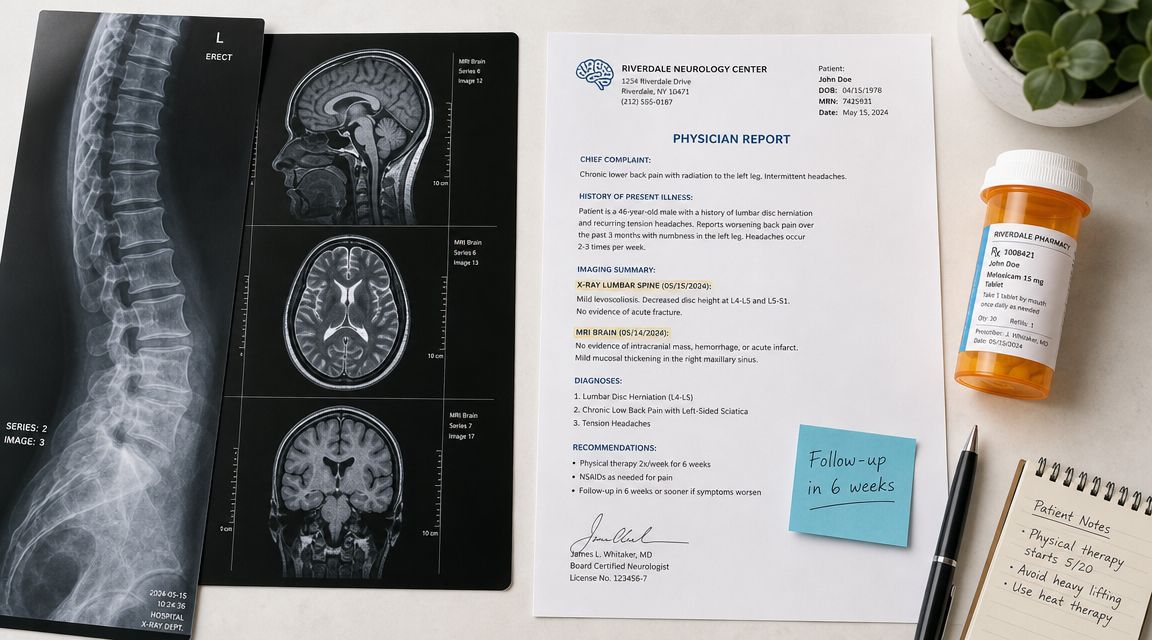
A diagnosis opens the file. Functional limitations win the case.
Orthopedic problems
For degenerative disc disease, knee damage, hip arthritis, shoulder injuries, neck disorders, and other orthopedic conditions, imaging matters, but it isn't enough by itself. The file should show how the condition affects movement and endurance.
Want a straight answer about your claim?
Free consultation with an experienced SSDI team. No fees unless you win.
Call (617) 683-1983Useful evidence often includes:
- Imaging reports: MRIs, X-rays, and surgical findings
- Exam findings: Reduced range of motion, gait problems, muscle weakness, positive straight-leg raise, swelling, instability
- Physical therapy records: Especially when they show persistent limitation despite treatment
- Functional opinions: Sitting, standing, walking, lifting, carrying, reaching, kneeling, crouching, climbing
For workers over 50, the key question is often whether these limits rule out past work and make adjustment to other work unrealistic.
Neurological disease
With neuropathy, multiple sclerosis, tremor disorders, seizure-related conditions, or other neurological problems, the most persuasive records often show progression and day-to-day consequences. Neurological cases can be underestimated if the records focus only on diagnosis and medication.
Helpful proof may include:
- neurology notes tracking worsening symptoms,
- sensory or strength deficits on exam,
- balance or coordination findings,
- side effects from medication,
- and records showing problems with sustained use of hands, walking, or maintaining pace.
These cases also need careful testimony preparation. Symptoms may fluctuate, and the hearing record has to explain what happens on a bad day versus a better day without sounding exaggerated.
Cancer and heart conditions
Cancer and cardiac claims are often misunderstood because Social Security reviewers may focus on treatment status instead of functional reality. Someone may still be in treatment, recovering from treatment, or dealing with fatigue, pain, weakness, shortness of breath, or medication side effects that make sustained work unrealistic.
The file is stronger when it includes:
- Oncology or cardiology records that explain treatment course
- Hospital or procedure records where relevant
- Evidence of side effects such as fatigue, nausea, dizziness, reduced exertional tolerance, or pain
- Doctor opinions describing work-related restrictions, not just medical diagnoses
According to guidance on what appeal attorneys do before the ALJ hearing, experienced counsel focuses on developing the evidence, preparing testimony, and crafting a strategy for cross-examining vocational experts, which is where many cases involving physical impairments are won or lost.
How to Choose the Right SSDI Appeal Attorney
A denial letter puts people in a hurry. They call the first number they find, sign a fee agreement, and assume every representative will handle the appeal the same way. That mistake can cost a claimant over 50 a strong argument under the Grid Rules, especially in cases involving past physical work, limited transferable skills, and medical restrictions that rule out full-time employment.
The lawyer you hire should understand more than forms and deadlines. The lawyer should be able to read a denial, spot the missing vocational issue, and tell you whether your age category changes the case. For a 52-year-old warehouse worker with a bad back, or a 60-year-old home health aide with worsening neuropathy, that analysis can decide the appeal.

Questions worth asking in the first consultation
Ask direct questions early. A prepared attorney should answer them clearly.
Who will handle my case?
Find out whether the attorney will review the file, prepare you for testimony, and make strategy decisions, or whether the case will mostly sit with staff.How do you analyze cases for claimants between 50 and 64?
Listen for a real discussion of age categories, past relevant work, residual functional capacity, and transferable skills. If the answer stays general, the attorney may be missing the strongest part of your case.How do you prepare for the hearing?
Strong answers include reviewing the denial rationale, updating medical records, developing work history in detail, preparing testimony, and planning for vocational expert questioning.What do you ask doctors to provide?
A good answer focuses on functional limits, such as lifting, standing, walking, reaching, handling, pace, and absenteeism. Diagnosis lists alone rarely win appeals.Can you continue the case if it goes beyond the agency?
You should know that answer before you hire anyone.
Attorney versus non-attorney representation
Some non-attorney representatives handle administrative appeals capably. The question is not title alone. The question is whether the representative can match the demands of your case.
As explained in this discussion of attorney and non-attorney SSDI appeal representation, a non-attorney representative can assist at the agency level but cannot file a lawsuit in federal court after an Appeals Council denial. That limitation matters in close cases and in cases affected by legal error.
It also matters earlier than people think. An attorney trained to brief legal issues often builds the record differently at the hearing level, because a weak record is hard to fix later.
Fees should be easy to understand
Most SSDI appeal attorneys work on a contingency fee approved under Social Security rules. In practical terms, the fee usually comes from past-due benefits if the case is won, rather than from upfront hourly billing.
Ask the lawyer to explain the fee agreement in plain language. Ask about case expenses too, such as charges for medical records. A careful attorney will answer without hedging.
Fee structure matters, but strategy matters more. The better question is whether the attorney can explain a realistic path from denial to approval.
What to look for in a law firm
For claimants over 50 with physical conditions, the right fit usually includes a few specific strengths:
- A hearing-based practice that understands how judges evaluate credibility, work history, and functional loss
- Real command of the Grid Rules and how age, education, and job background can shift the outcome
- Careful vocational analysis of past work, skill level, exertional demands, and whether any skills transfer
- Experience with physical impairment cases involving orthopedic, neurological, cardiac, or cancer-related limitations
- Ability to handle federal court if the agency gets it wrong
- Clear communication so you know the theory of the case and what still needs to be proved
I would pay close attention to one thing during the consultation. Does the attorney explain why the claim was denied in concrete terms? An experienced SSDI appeal lawyer should be able to say, with precision, whether the problem is medical proof, vocational proof, an inaccurate job history, a bad residual functional capacity finding, or a missed Grid Rule argument.
That is usually the difference between a representative who processes appeals and one who knows how to win them.
Take the First Step to Winning Your Earned Benefits
If your SSDI claim was denied, you're not back at zero. You're at the stage where legal strategy starts to matter. For workers between 50 and 64, that can be a major turning point because age, work history, and physical restrictions often create arguments that weren't fully developed in the first application.
The important part is acting with purpose. The right ssdi appeal attorney doesn't just file the next form. The attorney identifies the key weakness in the prior denial, develops evidence that shows functional loss, prepares you to testify clearly, and builds the vocational case the judge needs to see.
For many claimants with back injuries, knee problems, neck disorders, neurological disease, cancer, or heart conditions, the appeal is where the case finally starts to reflect reality. You're not asking for a favor. You're pursuing insurance benefits you paid into through your working life.
Waiting rarely improves a disability appeal. Evidence gets stale. Deadlines approach. Job history details get harder to reconstruct. If you know you can't return to the work you've done for years, the smartest step is to get the case reviewed now, while there is still time to shape it properly.
If you want a clear assessment of where your SSDI appeal stands, contact Melanson Law Group for a free, no-obligation case evaluation. Their Cambridge, Massachusetts practice focuses on Social Security Disability cases, and the father-son team combines the perspective of a retired Social Security judge with the skills of a former litigator to evaluate denials, prepare hearings, and pursue benefits through the appeal process.
